Heart Valve Replacement Surgery in Delhi
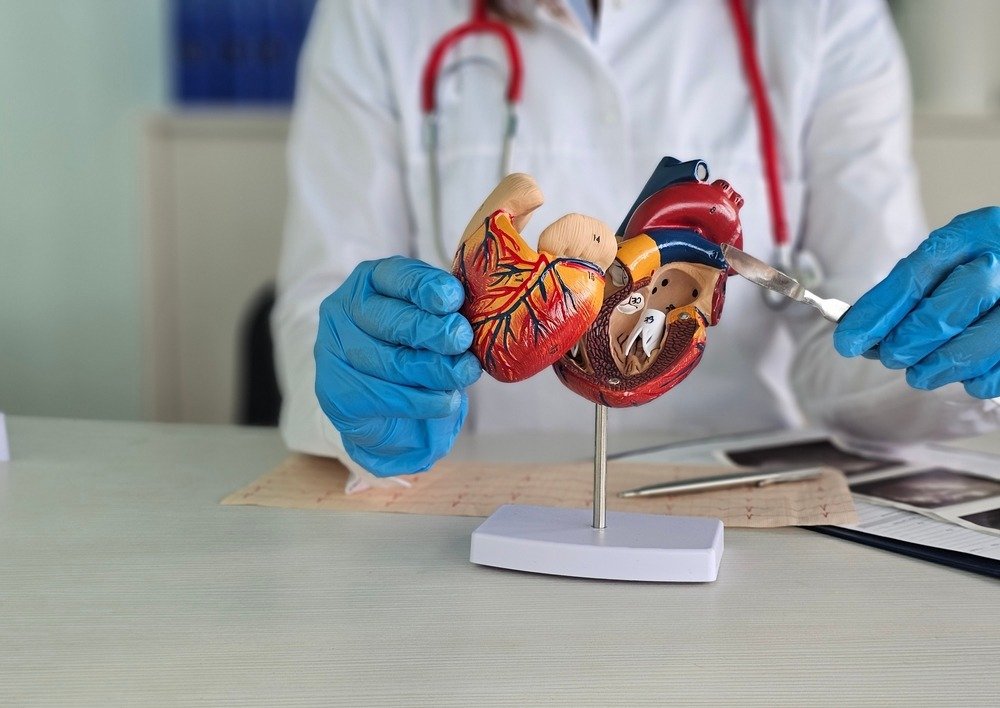
The human heart is a powerful organ that pumps blood throughout the body, supplying oxygen and nutrients essential for life. Inside the heart are four valves—mitral, aortic, tricuspid, and pulmonary valves—that ensure blood flows in the correct direction and prevents backflow. These valves open and close with every heartbeat, maintaining efficient circulation and balanced pressure within the heart chambers.When one or more of these valves become damaged or diseased due to conditions such as age-related wear and tear, rheumatic fever, congenital heart defects, infections, or calcium buildup, they may not open fully (stenosis) or may not close properly (regurgitation).
What Is Heart Valve Replacement Surgery?
Heart valve replacement surgery is a medical procedure in which a damaged or diseased heart valve is replaced with an artificial valve or a valve taken from human or animal tissue. The goal of this surgery is to improve blood flow, reduce symptoms, and enhance the patient’s quality of life.
The replacement valves are mainly of two types:
Mechanical valves (made of metal or carbon)
Biological valves (made from animal tissue or donated human valves)
Several conditions can damage heart valves over time. The most common causes include:
1. Valve Stenosis
This occurs when a valve becomes stiff or narrowed, making it difficult for blood to flow through. Aortic valve stenosis is particularly common in older adults.
2. Valve Regurgitation
In this condition, the valve does not close completely, causing blood to leak backward. This forces the heart to work harder and may eventually lead to heart failure.
3. Rheumatic Heart Disease
A complication of untreated streptococcal throat infection, rheumatic fever can permanently damage heart valves, especially in developing countries.
4. Congenital Heart Defects
Some people are born with abnormal heart valves that may worsen with age and require replacement later in life.
5. Age-Related Degeneration
As people grow older, calcium deposits can build up on heart valves, causing them to harden and lose flexibility.
6. Infections (Endocarditis)
Bacterial infections of the heart lining can severely damage valves, making surgical replacement necessary.
Heart valve disease may progress slowly, and symptoms often appear only when the condition becomes severe. Common symptoms include:
Shortness of breath, especially during activity or while lying down
Chest pain or tightness
Fatigue and weakness
Irregular heartbeat (arrhythmia)
Swelling in the ankles, feet, or abdomen
Dizziness or fainting
Rapid weight gain due to fluid retention
If left untreated, severe valve disease can lead to heart failure, stroke, or sudden cardiac arrest.
Prevention of Heart Valve Disease
While not all heart valve problems can be prevented, certain measures can significantly reduce the risk or slow disease progression:
1. Early Treatment of Infections
Prompt treatment of throat infections and prevention of rheumatic fever can protect heart valves.
2. Healthy Lifestyle
Maintain a balanced diet low in saturated fat and salt
Exercise regularly
Maintain a healthy weight
3. Control Chronic Conditions
Managing high blood pressure, diabetes, and high cholesterol reduces stress on the heart.
4. Avoid Smoking and Excess Alcohol
These habits accelerate heart damage and increase the risk of valve disease.
5. Regular Heart Check-ups
Routine medical examinations and echocardiograms help detect valve problems early.
Treatment depends on the severity of valve damage and symptoms.
1. Medications
In early or mild cases, medications may help control symptoms but cannot repair damaged valves. Common medicines include:
Diuretics to reduce fluid buildup
Blood pressure medications
Blood thinners to prevent clots
2. Valve Repair
Whenever possible, doctors prefer valve repair over replacement, especially for mitral valve disease.
3. Heart Valve Replacement Surgery
When the valve is severely damaged and repair is not possible, replacement becomes necessary.
Types of Heart Valve Replacement Surgery
1. Mechanical Valve Replacement
Extremely durable, lasts a lifetime
Requires lifelong blood-thinning medication
Suitable for younger patients
2. Biological (Tissue) Valve Replacement
Made from pig, cow, or human tissue
No long-term blood thinners usually required
May need replacement after 10–20 years
3. Minimally Invasive & TAVR Procedures
For high-risk or elderly patients, Transcatheter Aortic Valve Replacement (TAVR) offers a less invasive alternative without open-heart surgery.
Recovery after heart valve replacement varies but typically includes:
Hospital stay of 5–10 days
Cardiac rehabilitation programs
Gradual return to daily activities
Most patients experience:
Improved breathing
Increased energy levels
Better exercise tolerance
Enhanced quality of life
Regular follow-ups, medication adherence, and lifestyle changes are essential for long-term success.
Heart valve replacement surgery is a life-saving procedure for individuals with severe valve disease. Understanding its causes, recognizing symptoms early, and adopting preventive measures can significantly reduce complications. With advancements in medical technology and surgical techniques, patients today can expect safer procedures, faster recovery, and a healthier life after surgery. Early diagnosis and timely treatment remain the key to protecting heart health and ensuring longevity.