Mitral Valve Stenosis
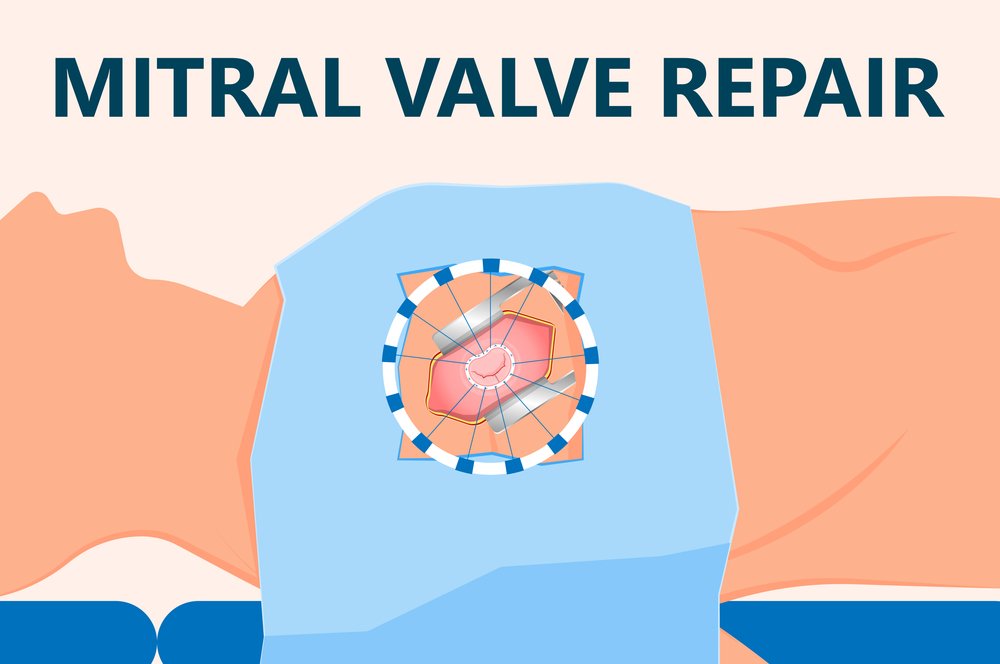
Mitral Valve Stenosis is a heart valve disorder in which the mitral valve opening becomes narrowed, restricting blood flow from the left atrium to the left ventricle. This condition places extra strain on the heart and lungs and, if left untreated, can lead to serious complications such as heart failure, atrial fibrillation, and stroke. Understanding the causes, symptoms, prevention strategies, and available treatments is essential for early diagnosis and effective management.
What is Mitral Valve Stenosis?
The mitral valve is located between the left atrium and left ventricle of the heart. Its main function is to allow oxygen-rich blood to flow smoothly from the left atrium into the left ventricle while preventing backflow. In mitral valve stenosis, the valve becomes thickened, stiff, or fused, reducing the valve opening and limiting blood flow. As a result, pressure builds up in the left atrium and lungs, leading to various symptoms and complications.
1. Rheumatic Fever
The most common cause of mitral valve stenosis worldwide is rheumatic fever, a complication of untreated or poorly treated streptococcal throat infection. Rheumatic fever can damage the heart valves, leading to scarring and narrowing of the mitral valve over time.
2. Congenital Heart Defects
Some individuals are born with a narrowed mitral valve or structural abnormalities that predispose them to mitral stenosis later in life.
3. Calcification of the Mitral Valve
With aging, calcium deposits can build up around the mitral valve, especially in older adults. This calcification can reduce the flexibility and opening of the valve.
4. Autoimmune and Inflammatory Conditions
Diseases such as lupus or rheumatoid arthritis may cause inflammation of the heart valves, leading to mitral stenosis.
5. Radiation Therapy
Radiation treatment to the chest for cancer can sometimes damage the heart valves, increasing the risk of mitral valve stenosis years later.
Symptoms may develop gradually and worsen over time. Some people may remain symptom-free for years.
Common Symptoms:
Shortness of breath, especially during physical activity or while lying down
Fatigue and weakness
Persistent cough or coughing up blood
Swelling in the feet, ankles, or legs
Chest discomfort or pain
Rapid or irregular heartbeat (atrial fibrillation)
Dizziness or fainting in severe cases
Symptoms often worsen during pregnancy, infections, or physical exertion due to increased demand on the heart.
If left untreated, mitral valve stenosis can lead to serious complications, including:
Atrial fibrillation, increasing the risk of blood clots
Stroke due to clot formation in the left atrium
Pulmonary hypertension (high blood pressure in the lungs)
Heart failure
Infective endocarditis
Diagnosis typically involves:
Physical examination (listening for abnormal heart sounds or murmurs)
Echocardiography to assess valve structure and blood flow
Electrocardiogram (ECG) to detect irregular heart rhythms
Chest X-ray to evaluate heart and lung changes
Cardiac catheterization in advanced cases
While not all cases can be prevented, certain measures can significantly reduce risk:
1. Early Treatment of Throat Infections
Prompt and complete treatment of streptococcal infections can prevent rheumatic fever, a major cause of mitral valve stenosis.
2. Regular Health Checkups
Routine heart checkups can help detect valve abnormalities early, especially in individuals with a history of rheumatic fever.
3. Infection Prevention
Maintaining good oral hygiene and preventing infections reduces the risk of infective endocarditis.
4. Healthy Lifestyle
Balanced diet low in salt and unhealthy fats
Regular physical activity as advised by a doctor
Avoid smoking and excessive alcohol consumption
Treatment depends on the severity of the condition and the presence of symptoms.
1. Medications
Medications help relieve symptoms and prevent complications but do not cure the condition:
Diuretics to reduce fluid buildup
Beta-blockers or calcium channel blockers to control heart rate
Anticoagulants to prevent blood clots in patients with atrial fibrillation
Antiarrhythmic drugs to manage irregular heartbeats
2. Balloon Valvotomy (Percutaneous Mitral Valvuloplasty)
This minimally invasive procedure involves inserting a balloon catheter into the mitral valve and inflating it to widen the narrowed opening. It is effective for selected patients with suitable valve anatomy.
3. Surgical Repair or Replacement
In severe cases, surgery may be required:
Mitral valve repair preserves the patient’s natural valve
Mitral valve replacement uses a mechanical or biological valve
Valve replacement may require lifelong blood-thinning medication, especially with mechanical valves.
With proper medical care, many people with mitral valve stenosis can live active and productive lives. Regular follow-ups, adherence to medication, and lifestyle modifications play a crucial role in long-term management.
Mitral Valve Stenosis is a serious but manageable heart condition when detected early and treated appropriately. Understanding its causes, recognizing symptoms, adopting preventive measures, and following the right treatment plan can significantly improve quality of life and reduce complications. Early medical consultation and regular monitoring remain the cornerstone of effective management.